Once upon a time, just last week, there was a princess who grew up under the cruel and critical eye of a bitter queen. Her husband, the king, was often on leave from the castle leading a battle, hunting for game, or wherever men go without their wives. On the rare occasions he returned home, the queen fought for a seat at his table, desperate for him to pay her any attention, good or bad. He sparsely looked at the queen, for he feared her and the wolf that never left her side. The days the king came home were the princess’s favorite; those were the only times the queen paid no mind to her. As soon as the king left, the queen channeled all of her energy into taunting the princess.
When the princess was six-years-old, she snuck into the kitchen to slide fingerfuls of butter between her lips. The queen caught her in the act one day and gasped, “If you keep eating butter like that, you’ll get fat and never find a husband.” The princess cared little for husbands and dreamt of the day she may experience the luxury of bodily abundance. So, she made sure to only eat butter when the queen was not looking.
When the princess was twelve-years-old, the queen ordered extravagant dresses made of zebra and leopard hide. She presented a trunk of animal fur from the king to the princess as a gift. The clothes were no doubt expensive and rare, but the princess felt a deep sorrow in her heart and guilt in her stomach when she wrapped herself in the skin of another creature. When the queen noticed the trunk still locked and collecting dust, she scolded the princess for her disgrace and demanded she wear the zebra hide for the painting of their family portrait. The princess did as she was told and shed silent tears as she sat for her painting.
When the princess was eighteen-years-old, she awoke to a cacophony of shrieking and barking. She wrapped a blanket over her shoulders and rushed down the stone steps of the castle. The snow on the ground was splashed with red. The queen clutched her wolf by the scruff, panting heavy, blood dripping from its chin. The princess dared not look further, for she already knew what had happened when the queen protested excuses and defenses for her wolf. The small black body of the cat the princess had known since birth lay lifeless upon the frozen ground. The queen blamed the cat for provoking her wolf, saying it never should have been outside in the first place, that it was an old cat who was bound to die any day. All these words fell deaf on the princess’s ears as she wrapped her cat in the blanket and laid the body in a basket. She took a horse from the stable and rode over the mountains, through the changing season, to the lake where all was still.
In her grief, the princess spoke not a word for months. She said nothing to the queen before leaving, for she feared her rage was enough to slit the queen’s throat. When the soil thawed in spring, the princess buried her cat beneath a raspberry bush to protect its spirit in the afterlife. When the body finally returned to the earth, the princess wept and wept for days. She feared her tears would never stop even when she was ready for them to. When the days grew warmer, she floated on the reflection of the mountains every day until she could not tell the difference between the water from her eyes and the lake.

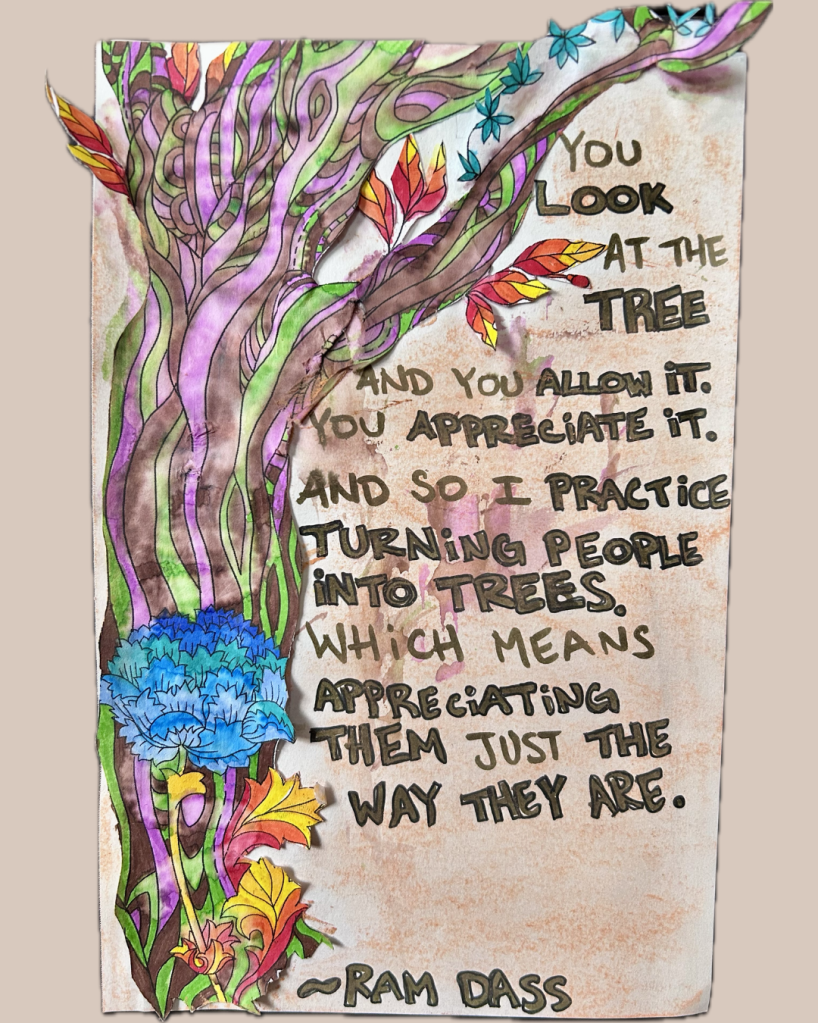
One day, the sun piqued higher in the sky than it would all year, and the princess knew that every day after would grow colder. The lake would be an unforgiving place to live in the winter, but she could not imagine a future where she returned to the castle without forgiving the queen. The princess had no reason to trust the queen was capable of change, for she had only experienced the harsh temperament and cruel nature that would scar her heart for life. She knew the queen, like her wolf, was wounded herself. Both creatures had endured hardship and abandonment, neglect and abuse. Why, then, would someone who knew the cruelties of the world behave so cruelly to others? Afterall, the princess had experienced such torment and couldn’t dream of harming another soul. Meditating on forgiveness, she wrote this poem:
So, the princess rode through the changing season, over the mountains, and returned to the castle. Her heart pounded at the sight of it. All her rage, grief, sorrow, and righteousness bubbled to the surface, threatening to spring out of her eyes through tears. She vented her emotions with a deep inhale and exhale, as if blowing steam off a boiling pot. She rehearsed just what she would say to the queen when she saw her, muttering to herself how she would demand reparations and compassionate treatment from now on. But as the princess made her way through the castle, it was empty. Even the wolf was nowhere in sight.
A gentle weeping echoing through the halls broke the silence. The princess followed it to the kitchen where she found a child sitting on a wooden stool at an easel with a blank white canvas. The child wept into her hands, and when the princess pulled back her curtain of hair, she recognized it was the queen. Overcome with sympathy, the princess knelt down and stroked the child’s back. “Sweet child, what is troubling you so?” The little queen replied, “I cannot create anything beautiful. My mother told me so, and I am cursed for life.”
The princess hugged the little queen and wiped her tears away. She took the queen’s hand in her own and grasped a paintbrush between both their fingers. They made long strokes of brown and green. The little queen dipped her fingers in the purple paint and weaved them to and fro across the canvas. The princess did the same with yellow and red and smeared them together to make a vibrant orange.
Perhaps the princess could never fully forgive the queen for the atrocities she committed. But she could forgive this child and appreciate her for just who she is. And that, for now, was enough.

 The Writer's Oracle
Leave a comment