One application per week. That’s the standard I’ve held myself to. One day to find a job that meets at the intersection of my skills and interests. Six days to draft and revise a cover letter and résumé.
I will not send out a generic application to 100 companies like it’s spam email. I just can’t. It goes against my values as a writer. This would be in particularly poor taste since I am applying to positions where writing is at the forefront of my responsibilities.
While I’m pouring over job descriptions—and often feel I’m pouring out my heart to my prospective employers—every response I’ve received is a variation of the same line.
We decided to go with a different candidate whose experience more closely reflects the job description.
This is the stock phrase repeated and recycled by hiring managers to politely let down applicants. But it is valid. It may be cliché, but I don’t have a lot of experience. If anyone were to look closer at my résumé, they could surmise why this is.
I was not what is referred to as a “traditional student.” I worked full time all through university. I had to. I spent the better half of my senior year of high school applying for scholarships that would pay for two full years of tuition at community college. I lived hundreds of miles away from my family and anyone who could support me. Living at Mommy and Daddy’s house for free was never an option. I worked full time all through college. I always paid rent, always grocery shopped, always cooked my own meals, always put gas in my car. I felt alien to my fellow classmates who went to school full time and never had a job before. Overgrown teenagers whose suburban parents made six-figures a year and still called themselves middle class.
I was raised with the pull-your-self-up-by-the-bootstraps mentality. Never ask someone else to do what you can do for yourself. Your value is proportionate to what you can do for others. Relying on anyone else is a sign of weakness. With these messages instilled in my brain, I felt a sense of pride being the only one of my peers who could claim themself as independent on their taxes. I imagined I would have a leg-up in the job market. After all, my résumé doesn’t have more than a three month gap for the past ten years.
A lesson I was aware of but am now experiencing is that it doesn’t matter how many thankless hours you spend making yourself useful. Too many people make too much money doing absolutely nothing.
I applied for a job a few weeks ago that I knew I would be great at. I had all the innate skills, the education, the passion, the drive. I nailed the interview. I felt confident that even if I didn’t get it, I put my best foot forward.
And then I received that heart-sinking email. I didn’t even have to open it to know what it said.
We decided to go with a different candidate whose experience more closely reflects the job description.
Disappointing, but understandable. It’s a tough job market. I’m competing with people who have more than a decade of experience in related fields. I am just waiting for someone to take a chance on me.
I almost wish I never found out who actually got the job.
I opened Facebook (an app I delete and re-install every few months) to a friend suggestion of an old co-worker. This particular old co-worker used to be a friend of mine. We are the same age. We had the same jobs for the same amount of time. I opened my doors to them when their roommates were mistreating them, and we lived together for almost three years. I referred them to my boss, and we worked at the same place on opposite schedules while we went to school. Over time, it was clear we were not compatible friends. We had a long, painful falling out that drug on for months. They ultimately left the job we shared, and I took on the responsibilities of two people for a year after I graduated.
During this year, they moved in with their partner—who was freshly out of high school—and their partner’s parents. They moved into a big house on the edge of town, all expenses paid for. No cooking, no cleaning, no grocery shopping. They even had their own office.
You sound jealous, is what people tell me. And who wouldn’t be? Who wouldn’t be jealous of watching your peer get so much handed to them on a silver platter after you’ve been working your ass off since you were 15? At the same time, I didn’t want that life. I was proud of how far I had come all on my own, and I wouldn’t trade my life experience and work ethic for easy hand-outs.
Still, the job title on their Facebook profile was the exact position I applied for. This was the different candidate whose experience more closely reflected the job description. This “experience” was an unpaid internship that they were privileged enough to take because they had all their expenses paid for. While I was stuck making the same wages at the same job that I worked all through college.
I don’t mean to sound like a martyr, but it stings. How could it not? It makes it harder to accept that stock phrase again and again.
Because I know I would exceed at any one of these jobs. I have all the confidence in the world, because if there’s one thing I can do, it’s adapt. I learn quickly. I am self-motivated. I can work independently and on a team. I am reliable, punctual, always personable yet professional.
And if there is one thing I am certain about, it’s that I am a strong writer. I am an excellent communicator and storyteller. I only improve with every word I put to paper. Moreover, I have passion. I will write forever even if no one reads it. I write because I love it, and I love what I write. I am sure of this, and given the chance, I know I would prove this to any employer.
None of the pain and humiliation and disappointment of these rejection emails will stop me from applying. One application a week for as long as it takes. Because I know the right position is out there waiting for me. All the opportunities that aren’t meant for me are just passing me by. And no matter what, I will always be a writer. I always have been, always will be. And just one email asking me to write professionally would be enough to make all of those stock rejection phrases nonexistent.
Hello, loyal followers and subscribers! And by that, I mean my mom. Hi, Mom! I love you and miss you. Thanks for being my number one fan.
Anyways, apologies for the unexpected hiatus. I did not intend to take a summer vacation from writing. But trust, I have been writing. Just nothing public. I’ve been writing short stories, poetry, journal entries, shopping lists, invitation cards, emails, and cover letters.
I’ve been absorbing enough sunshine in my skin to last me all winter. I’ve been standing in my kitchen, performing the sacrificial rituals of splitting tomatoes, squishing blueberries, and weeping as I slice through onions. I’ve been floating atop canyons and mountains under the cobalt blue water, feeling the fluid stability of ancient waters holding my body as I breathe in and out. I’ve been peaking through my eyelids in the darkest hours of night to glimpse the shimmering galaxies splayed across the blackish-bluish sky. I’ve been waking up to the rhythmic tap of raindrops on my tent, unzipping the flap, and scanning the dew-covered spider silk amidst the komorebi for fairies. For it is in these dense forests, in the space between cities and wilderness, that they appear. I wonder if they are charmed or offended when we dress up as them in our flowing skirts and dresses, skin sparkling with glitter, flowers tucked in our hair, chests bare to the glaring summer sun. I’ve been laughing, crying, laying on my bed, staring at the ceiling, thinking about the precious yet precarious nature of life. All the things you do in your 20s when you live in the Pacific Northwest.
Though I haven’t put my creative works out to the public for the summer, make no mistake, I have been creative. One of my biggest creative projects was moving. I moved into a big house with my five closest friends. We’ve seen each other through all phases and stages of life. From childhood sleepovers, awkward preteen phases, and high school drama (we were theater geeks), to navigating the salty seas of young adulthood. These friendships have lasted longer than any romantic relationship, any job, any lease we’ve been through. Now, we share a home together, and it has been one of the grandest creative projects of my life. How do we puzzle piece all our furniture together? Where does our art go? What goes in the dishwasher? Which kitchen drawer should have the silverware? When do we water the garden? Whose laundry day is it?
We’ve lived here for two months, and we’re just getting settled in. The stack of unpacked boxes keeps moving from room to room, unsure where the final home of its contents will end up. And just because I didn’t feel like moving was enough chaos, I quit my job. I left my secure and stable position as a teacher– a role I grew to thrive in and adore– to start my career as a professional writer. It was nerve wracking and anxiety inducing, and still is. I pushed out a nervous laugh every time someone asked where I was going next. “I don’t know yet! Why? Are you hiring?” I’d tease. They usually smiled and said, “Good luck!” with undertones that said, “You’re gonna need it.”
So, here I am. Floating through space. Existing in this in-between time where I don’t know how it’s all going to work out, so I have to cling to this liferaft of blind faith that it’s already working out. Having a job I was good at, a title I could claim, was all false reassurance. It gave me a false sense of security that I knew what I was doing with my life. As if my existence could be simplified to a job title. But isn’t it nice to have an answer when someone asks what you do? Isn’t it soothing to have people smile and nod when you tell them what your job is? So they can better understand you and, by proxy, you can better understand yourself?
To quote Tibetan Buddhist Chögyam Trungpa, “The bad news is you’re falling… The good news is, there’s no ground.”
Regardless of where I live, who my friends are, what my job is, I am always me. These are just decorations to the essence of who I really am. And who I really am is indescribable. Once you think you know, it changes again. I’m not rushing to know, to find out what’s next. I’m taking long walks. I’m falling asleep early and waking up late. I’m reading a thick book very slowly. I’m wandering the farmer’s market. I’m watching the clouds go by. Sooner than later, things will move fast again, and I’ll long for the time when I could flow through my days at my own pace. So I will be here for now as long as I can.
When I was a kid, I used to eat lip balm. It was pink and lollipop flavored. It smelled like strawberries and coated my tongue with sticky sweetness when I pushed it through my lips. It even had pictures of candy on the wrapper. I don’t know what genius marketed this to kids and didn’t expect them to eat it. But every time I took a bite, it tasted horrible. It made my lips pucker and my throat sore. But I’d smell it again and go in for another taste. Still horrible. I kept going back for more, thinking maybe the next time would be different.
This was a precursor to what relationships would be like for me. So enticing, the promise of sweetness written all over them. But disappointing every time. I wanted so badly for them to taste good that I kept coming back for more, thinking maybe the next time would be different.
But they weren’t.
Anyone who has known me long enough is aware that I am a lover, a hopeless romantic. And therein lies the problem. I love so deeply and so easily that I give the most tender pieces of my heart away like free samples at the grocery store. I’m notorious for being too forgiving, too understanding, too enamored by amour. That’s the thing about rose-colored glasses; they make all the red flags look like normal flags.
Walking through the graveyard of miserable dates, failed relationships, and awkward situationships, they all have one thing in common: me. So, I decided to remove myself for a while. How did I end up here? How did so many of us end up here? The answer, I concluded, was trauma.
Humans are hardwired for connection. We are not isolated creatures. We survive because of our community, our family, our relationships. Yet, we’re sold this fantasy that we don’t need anyone. Our basic instincts are stripped from our core, packaged, and resold to us under a hyper-individualistic model of relationships. Western culture perpetuates this idea that you alone are a unique and special individual, and everyone else is either a material asset or hindrance to your ultimate success. This doesn’t leave much room for the emotional complexity, empathy, or the spiritual nature of being human.
We didn’t choose to be born into a culture that doesn’t know how to love. (If you did, please message me so I can pick your brain about reincarnation.) Most of us are operating from the model that was laid out before us. We come from families who come from families of empty promises, instability, rejection, conditional love, abuse disguised as affection, and cruelty masked as care. We are starved for real love and genuine connection, unaware that our soul’s deepest desires are sleeping in the cavern of our chests. Because they don’t teach you that in school. They don’t teach you how to love yourself and see the world and every being in it as an extension of the divine source that exists across infinite time and space.
To put it in simple terms, we don’t know any better. We don’t know how to stop seeking approval from others, how to stop chasing the dopamine rush, how to be okay without external validation or being the Chosen One. We don’t know how to reject this model of false love and exchange it for the pure and free love that is eternally available yet seemingly rare. After a lifetime of disappointment, confusion, regret, and isolation, we long for someone to change the narrative. We fantasize that someone will come along who sees us and loves us exactly as we are. And the love from this magical person will heal all the hurt we’ve ever felt.
This was the fantasy I had. I so desperately wanted someone to say to me, “I love you, I choose you, and you never have to be alone again.” Maybe I took the Golden Rule of treating others the way you want to be treated too literally. Because I said these words to anyone who caught my fancy. I was blissfully unaware of what true love was and naively confident I knew what it looked like. If I said all the right words and acted the right way at the right time, couldn’t I manufacture intimacy? With the proper formula and enough willpower, couldn’t love grow in even the most hostile environments?
Turns out it doesn’t work that way.
I blame online dating for strangling the modern expectation of romance and courtship. Granted it is a symptom, not the cause. The sterilization of online dating fits perfectly into a culture where relationships are treated as transactions. It makes total sense for my generation, being the first to grow up with the internet. We’re the first group of kids who didn’t have to go to school if we didn’t want to. Anywhere could be a classroom with a computer and wi-fi. It’s normal for us to have close friends halfway across the world whom we’ve never met in person but frequently play video games with. Social media became the new mall, and the actual mall became the set for a zombie apocalypse movie.
As a result, my generation is terrible at meeting people organically. Making friends is a struggle, let alone dating. It’s much easier to scan through someone’s pictures, know their zodiac sign, whether they’re a cat or dog person, whether they want kids, how tall they are, and their favorite hobbies. Everything you’d want to know on a first date is conveniently laid out for you in a 30-second snapshot. You don’t even have to go through the humiliation of rejecting them or expressing your interest face-to-face. If you do meet in person, you already have a preconceived notion of what to expect based on their profile. And the majority of the time, in my experience, the reality is vastly different from the expectation.
I know I sound like a hater of online dating, and I am. But that doesn’t mean I haven’t used it. Unfortunately, it’s the new standard. The best conversations I’ve had with people on dating sites are about how much we despise dating sites. I met one of my more serious relationships through online dating. We used to fantasize that we met on the stairs at a house party hosted by mutual friends when the music was too loud and we both needed to get away from the crowd. We laughed and sighed, letting the disappointing reality of our online meet-cute hover with a silent tension.
This same person admitted to me that they curated their profile to attract someone like me. They were in sales—which was the first red flag—and said that dating is a lot like making a sale. You have to put the best version of yourself forward and tailor that version of yourself to be appealing to the person you are pursuing. I was a little offended when they said this. Was I nothing more than a customer? Had I been baited into finding this person attractive? The answer was yes, but wasn’t that what everyone was doing?
It wasn’t until we were in a committed relationship that they actually showed me who they were. They were waiting for me to stay before they took off the mask. Because now that I was committed, even if it was to a half-true version of who they were, I couldn’t revoke my premature declarations of love without being an asshole. Had I been a little more mature and self-assured, I would have had the courage to have that awkward conversation. I would have said, “It was lovely getting to know you, but we have incompatible life goals and values that won’t work out long term. Thank you for all the good times, but I must be going now.”
But I stayed much longer than I should have. I tried to say the right words and act the right way at the right time to resemble love. I wanted it to work so desperately that I lied to myself and thereby my partner far longer than I should have. And when I ended things, it was sudden. I was over that relationship too long before it actually ended.
And there were the other dates I went on. So sterile. So full of expectation. So transactional. No one took the time to get to know me beyond how I could fulfill their hedonistic desires. No one courted me or put any effort into the romance of dating. No one wore their heart on their sleeve like I did; they kept it tucked tight under their shirt. I was starting to think maybe I should do the same.
I was losing faith in the art of dating. Not that I was trying, really. I had tried too hard for too long to no avail. So, I was experimenting by actively not trying.
And isn’t it always when you aren’t looking for something that the thing you weren’t looking for comes waltzing into your life?
In my case, it came dancing under the disco ball, wearing a mesh long-sleeve layered under a tie-dye shirt, asking for my number. I pretended not to anxiously await a text when I got home, the modern equivalent of checking your answering machine.
I was flattered and a little dumbfounded. No one asks for your number anymore. No one approaches a stranger they find attractive, introduces themselves, and exchanges numbers. That’s only something that happens in the movies. The internet has completely squashed any possibility of organic dating. Or so I thought.
When you meet someone in person, you don’t get to see their profile. You have to study their face, catch the color of their eyes and the way they style their hair. Notice the way they dress, the way they carry themself, how they interact with their friends. Make eye contact, but not for too long. The trick is to do all this without them realizing it. It’s okay if they suspect something. You want them to know you’re interested. But be sly about it. These are the building blocks of flirting.
After this is established, introduce yourself. Offer them a compliment, but only if it’s sincere. If there’s something admirable that stands out to you, tell them. The more specific, the better. Avoid stock phrases like, “You’re so hot/beautiful/sexy/etc.” What is unique about this person that makes them attractive? No need to force a compliment if something doesn’t feel natural. But there must be something about this person that you find appealing, so why not tell them?
Don’t kiss them. Don’t hold them or touch them any differently than you would a friend. Don’t sleep with them. Exchange phone numbers or an equivalent communication medium. Avoid sharing social media if you can. This keeps the mystique alive. Arrange a time and place to get to know each other one-on-one. They might say yes or no. Either way, it’s good news. If they say no, the work for you is over. You can go back to living your peaceful life just the way it was before. If they say yes, you have the exciting opportunity to get to know someone new.
When you arrive at a time and place to get to know each other one-on-one, ask questions. What are their likes, dislikes, hopes, fears, goals, passions, interests? What can you relate to or bond over? Whether or not you have things in common, it’s good news. If you don’t have much in common, you have the privilege of learning a different perspective. If you have plenty in common, it’s even more serendipitous that you and this former stranger have a seemingly endless list of things to talk about.
If things go well and you both enjoy yourselves, keep doing this. Keep going on dates, spending time together, talking, and getting to know each other. Space it out as it feels right. There’s no need to rush. All you need to do right now is keep living your life. Keep living your life exactly as you have been, with the addition of seeing this special person from time to time. The rest will sort itself out.
But you can’t jump straight to the end. You can’t make a flower bloom before its season. The harder you hold on, the more it slips away. And trust me, I know.
People change all the time, some faster than others. When you commit to a relationship with someone, the person you’re committing to now won’t be the same in a year, ten years, or twenty. And you won’t be the same either. So never stop dating. Never stop getting to know each other. Never stop flirting and asking each other questions. Never stop bringing surprise gifts and planning activities together. Never stop hanging on their every word and gazing into each other’s eyes over candlelight. What people most often don’t realize about the art of dating is that it doesn’t end after the beginning of the relationship. It shouldn’t, at least.
Dating is an art, a dance. Sometimes it feels like an ancient language that we all know bits and pieces of but struggle to converse in. But romance is alive and well, my friends. The art of dating is a practice. It’s just up to you to breathe life into it.
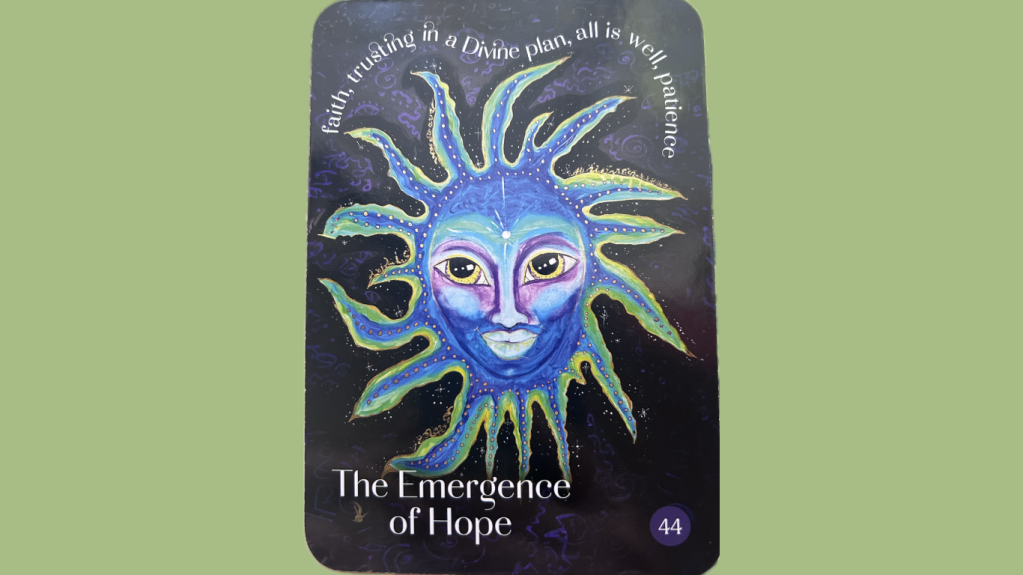
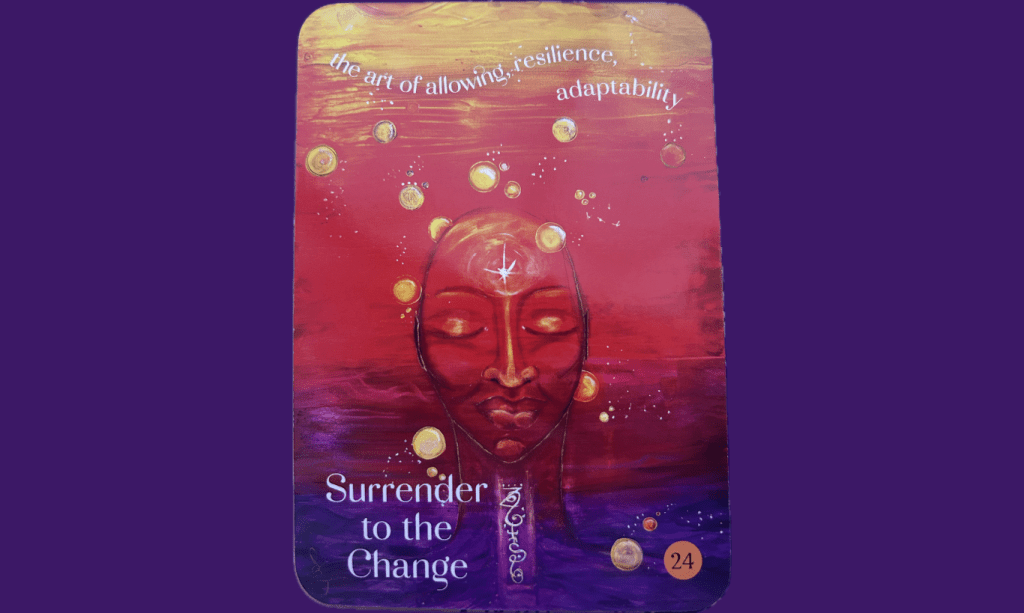
From the Guides of the Hidden Realms Oracle
My sincerest apologies in advance to anyone who doesn’t want me to write about our personal relationships. I do my best to keep all characters in my non-fiction writing anonymous. If you were worried about having your personal life exposed in the most poetic way, you shouldn’t have gotten involved with a writer.
The ground never stops moving here. The earth that was supposed to be so stable and hold us for all our lives never stops moving here. I plant my feet, the sand consumes them. I pick them up, it pushes back and forth against me. The reflection of the clouds is perfectly clear, until it isn’t, and the swirling brown surf washes it all away. Like someone threw a bucket of water on a wet painting. Nothing could be closer to walking on the sky.
Time is distorted here. I haven’t walked for more than a song or two, and yet my friends are smaller than ants on the picnic blanket I left perched on the sand dunes. Sound travels different here, too. There’s people all around, but their voices and footsteps are drowned out by the roaring of waves. Like a herd of wild horses thundering over the hillside, only to collapse and dissipate into sea foam at the crest.
I walk in the liminal space where the waters of earth’s womb cleanse her human shores. Nothing stays the same here, and nothing ever should. Nothing stays the same anywhere if you look long enough. The unending change is just more visible on the coast. The ocean bellows an ancient hymn of change.
I left my job at the end of last week. It was planned, expected, a date on the calendar that approached closer and closer with every rise and fall of the moon. It’s been four years of dedicated service, of being the first to arrive and the last to leave, of rapport with children not because I had to but because I couldn’t contain my heart from loving them with all that I was. After four years of growing in one spot, I felt my roots get crowded around the edges of my container. They longed to dig deeper, reach wider, and I knew I would grow in ways I never thought I could if I gave myself the opportunity to. So, I left. I left with my last paycheck and a binder full of my favorite children’s illustrations. I didn’t even have a plan or a summer bonus to fall back on.
Growing up, things changed a lot for me. Different houses, different families, different friends. My life feels like a back-to-back sequences of beginnings and endings with little time to adjust to stability in between. My inherent optimism came in handy here. No matter how uncomfortable or scary the change was, I greeted it with a smile and welcomed it into my life. Even when I hated it. Even when I wished things wouldn’t change. Even when I wished things would change in a different way.
Maybe this is why I am so drawn to the beach. It is the birthplace of change. It affirms what I already knew to be true: change is the only constant. It is powerful and terrifying and unstoppable. But it is glorious. And it just Is. We don’t have to do anything for it to Be. Just witness it.
And, so, I am reveling in this liminal space.
I’m opening the windows and turning up the song.
I’m not getting enough sleep and I’m sleeping too long.
I’m singing down the sidewalk and skipping out the door.
I’m kissing after midnight and twirling on the dance floor.
I’m drinking too much coffee and screaming at the sky.
I’m laughing with the Great Unknown until she makes me cry.
When I turned 18, my mom took me to see a psychic. We made a whole weekend out of it, drove two hours to the nearest city, stayed in an artsy air bnb, brought my brother and our dog. My mom heard about this psychic from her friend who used to do her hair for a t.v. show where she gave live readings.
Most people are either firm believers or die-hard skeptics of psychics. I try to strike a healthy balance between the two. There is a right amount of skepticism to have for those who claim to know the future and what lies beyond the human realm. There are scammers out there, people who prey on your grief and trauma and charge hundreds of dollars to appeal to your cognitive biases. But also there are people who try therapy and support groups and the charcuterie of spirituality humanity has to offer, and nothing resonates except a psychic reading. Still, I always leave the door open in case I meet a real-life Oda Mae Brown.
Regardless of if the psychic-in-question is “legit”–meaning they can see the future, read auras, talk to spirits, or whatever powers they claim to have–does it matter as long as it works? Does it really matter as long as the client is satisfied? If someone finds closure, feels relief, answers the previously unanswerable, then they got what they came for. Is that so wrong?
The psychic I saw when I turned 18 didn’t tell me what I wanted to hear. She gave me some hard truths, some false truths, and some Great Unknown truths.
A few weeks prior to the session, I bought a matching necklace and earrings from the local thrift store. They were locked up in a glass case that doubled as a counter separating the volunteers from the shoppers. The necklace had raw turquoise patterned with purple glass and blue pearl beads across a flimsy wire. A toggle clasp shaped like a silver rose marked the ends. The dangling earrings matched. I imagined someone had these tucked away in their jewelry box, like a dragon sits on its treasure. The woman who owned it made it herself and would wear them to special occasions in her youth. But as the years went on, those occasions became few and far between. When she died, there was no family or next of kin to inherit her precious gems. They went ignored at an estate sale until a group of volunteers came and brought them to the thrift store where they laid still under this glass case.
Obviously, the volunteers didn’t know what they had, otherwise they wouldn’t have priced the set at $12. I bought them and it was the fanciest thing I wore every day. It stood out against my casual high school attire of red Converse and band t-shirts.
I hadn’t taken the necklace off since buying it, so it came with me to the psychic reading by default. The first thing the psychic did was ask for a personal item to connect with me. I unclasped my necklace and handed it to her. She stroked it with eyes closed the way one would pet a cat from head to tail. The beads clinked against the rings on each of her fingers. She described to me a vision of stained glass windows, maybe a church, but an ancient church full of real holiness. Not any of the manufactured cookie-cutter religion I was accustomed to. But I hadn’t stepped foot in a church for at least a month, and that was the first time I went to church in years.
I went for my friend’s funeral, and it was not a beautiful or ancient church. It was modern and it was dull and dark. There were no windows, but high ceilings with mud-brown walls and harsh fluorescent lights that lit the pews of people in attendance for a 17-year-old’s funeral whose body had only laid lifeless for a week. Funerals are rarely a happy occasion, but this one was infuriating because it was so preventable. She should not have died the way she did. But I guess that’s why they call it an accident. An accident with fatal, irreversible consequences. And if my friend had written a will, I can almost guarantee you she wouldn’t have wanted her funeral in this church. The church that ignored her cries for help her whole life. The church that excused pedophiles and abusers with a regular tithes. The church of hypocrisy, the church of scandals, the church with no windows and false gods. This could not be the church the psychic was channeling through my necklace.
No, the church she channeled through my necklace must have been somewhere in Italy. An ancient cathedral marked by polished wooden pews, columns and archways holding the building together like bones in a body. Stained glass that filtered the morning sun through every color and cast beams of light around intricate mosaics spiraling out of the center of the floor. Giant candles standing with pride at the sides of a golden throne with dripping wax dried along the stairs. The musky smell of incense wafting through the air. Marble statues of the saints and prophets carved by hand, welcoming worshipers into their house. Ornate bells in the highest tower attached by a rope so old you’re afraid it will crack in your hand just by grasping it. Ancient churches built in the name of the spirit that connects us all, that brings communities together not out of fear but out of true love for our fellow humans and all inhabitants of earth and beyond. This must have been the place she meant.
But I have never been to this church. I am not so sure it even exists outside my imagination. I told the psychic about the last time I went into a church, about my friend and her funeral. She asked how she died, and I explained the story the same way my friend’s obituary was written: cold and matter-of-fact. She drowned in the cab of a truck that sank into the river after accepting a ride from her drunk friend. I couldn’t think about it too hard, because if I did all my sadness and all my anger and all my grief would have overcome me. It would have blinded me from any other feeling, and I was afraid I would drown in it if I fully let it in. The psychic just nodded, continued stroking my necklace, and warned me never to get in a truck.
I had come out of two car accidents luckily unscathed prior to my friend’s accident. I already had some fear around driving, but the psychic’s words just solidified it. I tried to avoid accepting any rides in a truck, but it was almost impossible and often rude of me to do so. Shakily, I stepped into trucks time and time again, pushed the worry out of my mind that something bad was about to happen. And you know what? I was okay. Every. Single. Time. But that psychic’s words had power. Even though she was wrong, and my logical brain knew to take it with a grain of salt, every time I stepped into a truck I thought about how I was not heeding her warning. The fear and anxiety ate at me.
The second thing she asked me was what I was doing after high school. At this point, I thought I had a pretty solid, well-laid-out plan. You know, the way most teenagers know exactly what they’re doing with their life and how it’s going to turn out. With pride, I recited my plan to attend my state university where I’d already been accepted and live close to my boyfriend who was already a sophomore there.
“No you’re not,” the psychic said bluntly. She didn’t miss a beat. She couldn’t have spoken the words faster than I could get them out of my mouth. I exhaled a nervous laugh. Quiet. I didn’t know what to say. Most people responded with congratulations, that they were happy for me, that I had their full support and they were excited for this next leg of my journey. Now I think those people were just being polite. What this psychic did was give me the truth, and I thank her for that. I don’t know if her psychic abilities had anything to do with it at all. She could just read my body language, my tone of voice. She saw right through me in a way even my brother and mother didn’t see. Or if they did, they never told me. I felt like she ripped the sheet off my head and exposed my real identity.
The truth was, I didn’t want to go to my state university, even though I got accepted. I wanted to go away. Far away. Far away from my peers, the small-town culture with small-minded people, the same music on the radio, the same mindless chatter, the same life plan that everyone had laid out before them. I didn’t want to live close to my high school boyfriend. I was just afraid to live far away from him. I didn’t want to be with him forever, I was just afraid to break up with him. Fear, fear, and more fear kept me making choice smack-dab in the middle of my comfort zone. Because that was safe.
But what this psychic did was show me what I already knew. That my comfort zone was not comfortable, it was suffocating. That I would never grow into my full potential, be the person I wanted to be, unless I took risks and leaps and bounds and made mistakes and kept trying over and over again. I don’t think she had to be psychic to tell me that. She was just something no one else in my life was: honest.
She told me I would go far away, and that was true. I didn’t go across the world or even across the country, but I went farther than most of my peers did. I moved to a new city where I didn’t know anybody and all my family was 500-1,000 miles away. She told me I would go on a road trip with my brother, which hasn’t happened yet, but I’m still holding out.
She told me I would break up with my boyfriend, which was also true. I didn’t want to hear it, I didn’t want to believe it. I didn’t even break up with him right away. I peeled that band-aid off so slowly and painfully because I didn’t want her to be right. But her words had already infiltrated my subconscious. No matter how hard I tried to ignore or deny it, she had already spoken it into existence.
The last thing she told me was that words have power. Magic is real, though it does not show up in the same fantastical way we hear about it in storybooks. She said that when we use language, we are casting spells. Literally spelling things into existence. Manifesting them into reality. In big and small ways. But since our thoughts create our reality, and our thoughts are largely made up of words (at least mine are), then what we think and what we say becomes who we are and the world we live in.
This was certainly true in her line of work. She used her words to predict some things in my life, but really she was just persuading and affirming me to make choices I already knew to be true in my heart. Her words helped me speak it into existence.
But it was my words that broke up with my boyfriend. My essays that got me into the college that I actually wanted to go to. My emails that granted me scholarships to attend an out-of-state school. My phone calls that got me a place to live. My words that made me friends and connections, brought me new places, showed me new things. My words had power. And they still do.
This is why writing is my favorite form of witchcraft.
Because every now and then I kick the living shit out of me.
But all ‘90s pop-punk references aside. . .
It’s true.
Can you relate?
Don’t bother putting me down. No one could ever measure up to the frequency and accuracy with which I put myself down. No one knows my deepest insecurities, fears, weakest points, the things to say that hurt the tenderest parts of my soul, better than I do. So, if someone ever rubs you the wrong way or hurts your feelings and you feel the urge to explode in a rage of vengeance cleverly disguised as justice, remember that no one insights vengeance on them better than themselves.
But I am practicing being kinder to myself, using sweeter words, more forgiving words. Because I really do love myself. No one could ever understand the depths of my dreams or know which wishes I repeat to the first star in the twilight sky. They don’t know that I know I’m not wishing on a star at all, but a planet that glows brighter than the other constellations. No one knows the little things in each day that remind me there is magic in the world and we are all very much a part of it. the things to say that hurt the tenderest parts of my soul, better than I do. No one knows the things to say that resonate against the tenderest parts of my heart better than I do. Because I am so loveable, and there is no one better to remind us of that than ourselves. So, if you find yourself in a downward spiral of self-blame and self-doubt, remember that no one can remind you how loveable and forgivable you are better than yourself.
I don’t think anyone gets in our way more than ourselves. We live in a societal system that feeds off of our insecurities. Financial insecurity, job insecurity, education insecurity, food insecurity, housing insecurity, health insecurity, body insecurity, social insecurity, love insecurity. Need I go on? Many of the great writers on social justice and politics describe the strategic placement of these insecurities within a culture to create a society of people who are easily controlled. One of my favorite feminist poems puts it better than I ever could.
The Myth of Female Inferiority
The best slave
does not need to be beaten.
She beats herself.
Not with a leather whip,
or with sticks or twigs,
not with a blackjack
or a billy club,
but with the fine whip
of her own tongue
& the subtle beating
of her mind against her mind.
For who can hate her half so well
as she hates herself?
and who can match the finesse
of her self-abuse?
Years of training
are required for this.
Erica Jong, “Alcestis on the Poetry Circuit”
So, it is my belief that one of the greatest acts of resistance that we have at our disposal at all times is self-love. The greatest act of rebellion is to live authentically as yourself, whether you’re alone or in a room of strangers. Give yourself the permission to live unapologetically, courageously, free.
And me-oh-my is that one of the hardest things to do! The fear of rejection is not an irrational one. We need other people to survive. We need our community to support us. We need others to help love and care for us, and we need to love and care for others, too. Humans are not solitary creatures, no matter what hyper-individualism propaganda we may receive. The fear of being rejected by those we admire truly taps into our basic survival instincts. Our lizard brains associate rejection with isolation and isolation equates to death. Without other humans, we would not survive. However, this becomes much more complex in the 21st Century when our basic survival instincts are activated when someone doesn’t respond to our text.
I have decided to take the courageous leap to be myself, as authentic as I can be, in every social interaction I have. Friends, strangers, work, family. If I’m happy, I’ll express it. If I’m sad, I won’t hide it. If I’m scared, jealous, insecure, excited, anxious, uncertain, melancholy, I’ll give them a seat at my table. I know these feelings are just visitors passing through.
For most of my life, I have used my relationships to other people as a way to define myself and my self-worth. I let other people decide if I was a good friend, a good daughter, a good sister, a good listener, a good leader, a good worker. They decided if I was beautiful, if I was fun, if I was smart, if I was kind, if I was worthy of love and acceptance. And when I let people down–because inevitably we all let somebody down once in a while–I felt distraught. I let it redefine my self-worth. I had to rethink everything I thought I knew about myself. I punished myself with “the fine whip of [my] own tongue.” But around the age of 20, when I read Terry Cole-Whittaker’s book What You Think Of Me Is None Of My Business, I realized how much power I was giving other people over my own life. And I was the only one facing the consequences. I am the only one living my life, having my unique human experience, piloting this animated flesh suit on this rock hurling around a ball of incandescent gas in space. The only person’s approval that really matters is our own.
This is not to say you should go around hurting others or your environment as long as you have your own approval. A basic code of morals is also essential to survive in this global human village. Like I said, we could not survive without each other. We could not survive without the vast and complex ecosystem that provides us with air to breathe, food to eat, and land to live on. So, do what you will, but do no harm.
No matter what choices you make, rejection is inevitable and often unpredictable. Rejection is not an easy feeling to sit with. Nobody looks forward to this inevitable pain. Most of us will go to extreme lengths to avoid rejection by building walls around our fragile human hearts. But we could never know the deepest expression of love without knowing its antithesis: loss. We all want to be loved and accepted for just who we are. But we can’t please everybody all the time. And oftentimes, there will be people in your life who are simply on a different wavelength than you. And that’s okay! It’s nothing personal. No one is worse or better than anyone. It’s just different, and variety is the beauty of the human experience. People are going to reject you, you are going to reject people. People will let you down, you will let people down. And that’s okay. It’s not the most fun and easy feeling to have, but despite what our lizard brain is telling us, someone not texting us back in the timeframe we want them to is not a life or death scenario.
At this point in my life journey, I am practicing walking the middle path. I am balancing security within myself and the possibility of new connections. I am building a home within myself while leaving the door unlocked for people to come and go. And make no mistake, it is extremely anxiety inducing. To let other people in on the parts of me I’ve often hidden out of shame for decades? Horrifying. To face the daunting abyss of inevitable pain and rejection? Terrifying. But I am learning to walk through hell with an open heart.
People dancing in the street. Children playing. Lovers swaying. People laughing, people crying. Some are born, some are dying.
It’s spring where I live on the north-west coast of North America. The Earth’s axis tilts more with each rotation, leaning toward our nearest star, warming the soil so all the little fairies can emerge from their winter slumber. The morning dew glistens like pearls on the daisies still sleeping before the sun rises above the hilltops.
All the flowers are blooming in cascades of color. The streets are littered with yellow, pink, purple, white, and blue petals. Magnolia trees leave green lawns pink. Cherry blossoms coat sidewalks in pink confetti. The intoxicating fragrance of lilacs wafts on the breeze.
There wasn’t a spring where I grew up. Not really. It was too cold, the sun wasn’t strong enough to shed the land’s heavy winter coat. Spring existed in the fleeting one to two weeks at the end of May or beginning of June when suddenly all the snow melted and the air was temperate for a brief moment before it spiked to the high heat of summer. It used to be my least favorite season. It was cold, wet, grey, slushy, like the sloppy melted bottom of a snow cone you didn’t really want.
But now spring is growing on me, like the seeds in my yard—first nothing but dirt, then green shoots unfurling new leaves that stretching toward sun. There is no doubt that I, too, am sprouting from the soil and reaching for the light.
I am very proud of myself for how far I’ve come. My first spring here was my first year away from home, coinciding with the initial months of a global pandemic. I was depressed that spring, scared, lonely and isolated in unfamiliar territory. But I wandered on long walks through neighborhoods until I lost myself down old alleyways where creeping ivy devoured wooden fences. The rose hips and tulips became my companions. I heard whispers and giggles beneath the hyacinths, but every time I checked, the fairies tucked themselves under petals.
Every year since then has blossomed more fully. Like a newly planted garden that struggles its first season—crops withering despite your care, leaving you discouraged by hard work with little harvest. It takes patience to see the fullness of what can grow. It takes several years, several cycles of seasons, to reap the rewards. It takes time to make friends in a new city, to learn its streets and discover your favorite hidden cafés. It takes tending the soil day in and day out to understand your place in this world, what it can offer you and what you can offer in return.
I feel I am just at the beginning—here I am, experiencing another spring—but I have journeyed such a long way through difficult terrain. And I am so proud of myself for persevering until I could witness this beauty.
Yes, I do believe spring is growing on me in a way it never has before. Fall still enchants me with its mystique and thinning of the veil between worlds. But the veil is equally thin in spring, isn’t it? The memory of spring’s absence remains fresh in our bones. We remember winter’s biting cold, its unforgiving storms, the quiet, the loneliness, the necessary hibernation all too well. We were trapped in the underworld for so long, we now emerge blinking into the overworld to feel the sun warming our skin, to kiss the flowers, embrace our loved ones, and dance upon the awakening earth once more.
I cherish all seasons and feel grateful to live where I experience their cyclical nature. But something has shifted in me this year, I must confess. Spring—I think that I am in love with you.
It was one of those weeks where my mind was two steps ahead of my body. My eyelids fluttered open while the earth’s were still closed, and thoughts began rapid firing:
What am I going to have for breakfast? What am I going to wear today? Just five more minutes. No, I’ll be late for work. Will I be the first teacher there again? Who is still sleeping while I’m holding my coffee steady running out the door? Which activities do the kids want to do? Not play-dough, someone sneezed in that yesterday. Better throw it all out. What songs do they want to sing? Gotta keep it fun, gotta keep it engaging. Otherwise they won’t listen to me. Oh, this person needs me? Be right there! You peed your pants? That’s okay, it happens to everyone. If I peed my pants, would they send me home? Probably not. I don’t even have spare clothes to change into. One more minute until lunch, and then BOOM I’m out of here!
I collapse in the driver’s seat of my car at 3 p.m., a hollowed-out shell of the vibrant woman I was that morning. I have nothing left to give—not to my writing, not to my friends, not even to myself. If my emotional labor muscles weren’t strong before, they’re absolutely shredded now. Some days, I sit in my car in the driveway staring through through the blur of my rainy windshield, letting my gaze relax and my ears soften as if I am a rock and the world is a river that rushes around me.
If I—a single, childless woman, with only myself to care for—feel this depleted by the end of the day, what must it be like for my colleagues who go home to their own children? Or for any mother in this society? They perform this emotional gymnastics at work, then start a second shift the moment they walk through their front door. Mothering is perhaps the ultimate thankless job in this white, capitalist, patriarchal, heteronormative culture—a 24/7 position with no benefits, no sick days, and certainly no living wage.
This is the plight of teachers everywhere: overworked and underpaid. At my school, I am the only teacher without children of my own. Only two are single parents supporting their kids on one income, and only one of them has kids under 18-years-old. The rest have husbands who are the literal breadwinners of the family. If you assumed that all of the teachers are women, you assumed correctly, and that’s part of the problem.
Teaching is historically considered “women’s work,” built on the assumption that all women should have a man in their life—husband, father, or equivalent—who will handle their financial needs. A woman’s job is to manage domestic duties and raise children. Well, if she has a man to take care of her finances and she was going to be with children all day anyway, why bother paying her a living wage?
I finally put in my notice. After four years, I gave a generous six months—more than ample time for the school to organize fall class lists. One particular coworker keeps dismissing my decision with a wave of her hand. “You’re not leaving,” she states flatly, as if announcing tomorrow’s weather. “You’re not going to find anything better out there.” Her voice takes on that deprecating tone reserved for naive dreamers. “You’ll miss this too much. Even if you think you’re leaving, trust me, you’ll be back.” The desperate edge beneath her words is palpable—a plea for nothing to change, for no one to challenge the unfair standards we’ve all silently agreed to settle for.
I recognize what’s happening beneath her words. My departure forces her to confront her own choices, her own settling. If I succeed in finding something better, what does that say about her decision to stay? It’s easier to believe that better options don’t exist than to acknowledge you’ve stopped looking for them.
Most of my other coworkers are sad but supportive. They know teaching was never my intended career, that it fell into my lap on my journey as a writer. But it wasn’t just a side job. I gave a piece of my heart to all the children I taught that I will gladly never get back. I fell in love with the work, even though I always knew it wasn’t my destiny.
Teaching has given me invaluable gifts—emotional intelligence, patience, creativity under pressure. But writing has always been my destiny. Now, the question is how do I merge that creative energy with my writing in a way that earns me a livable wage? I don’t want to fall into the trap of undervalued “women’s work,” nor chase the empty promises of hyper-productive “men’s work” that values output over meaning. Somewhere, there exists a third path I’ll have to pave for myself. I likely already am.
“To realize one’s destiny is a person’s only obligation.” Paolo Cohelo, The Alchemist
Success to me isn’t bestseller lists or literary prizes. (Although, I wouldn’t say no to that!) It’s being able to afford food on my table and a roof over my head while creating work that matters. It’s being surrounded by a loving community. That’s all I want. And if I start now, who knows where I will be in six months? I owe it to myself—and to my inner child who promised I would always be a writer—to at the very least try my hardest to become the creator I was meant to be.
It’s been three years without you, and after three years with you, I feel I can finally write about us. I’ve known you for a lifetime, and it’ll probably take a lifetime to forget.
Where did our love story begin? Was it in 1st grade when you moved here and everyone was so excited to have a new boy in class? And by here, I mean there, because you’re still there, and I left a long time ago. Everyone loved you because you were tall, outgoing, and friendly to everyone you met. You were the kid who somehow became the teacher’s pet while breaking all the rules behind their back. Was it when you were cast as the Ugly Duckling in the school play, and we all knew you were anything but? I played a skunk—the real ugly duckling—who taught your character that it didn’t matter what anyone else thought because your real friends would love you no matter what. I spent the remainder of our relationship trying to teach you that exact thing.
Was it in 2nd grade when you had a crush on my best friend and brought her back a necklace from your family vacation? She gushed to me about the inside jokes you two shared on the bus, and I laughed away my jealousy, a tradition I carried on into adulthood.
Was it in 3rd grade when you had a crush on another one of my best friends, and she bragged to everyone about how smitten she was that she got to go to your house and watch scary movies when your parents weren’t home?
Was it in 4th grade when by some miracle the teacher sat us next to each other and you debated that if the prefix “re” means “again” and suffix “spect” means “look,” then “respect” means “look again”? I thought that was the most intelligent thing anyone had said all year.
Was it in 5th grade when your first girlfriend was my best friend? We cast a spell under the full moon to get you to fall in love with her, and I hid in a hotel closet while she whispered all the details of your first kiss to me. I teased her about how steamy and sweaty it must have been in your parents’ hot tub, another way to laugh through my jealousy.
Was it in 6th grade when you had a crush on one of the new girls that moved to town? Was it in 7th grade when you moved on to her twin sister?
Was it in 8th grade when I broke up with my first boyfriend and you offered your condolences and texted me all summer to hang out at the beach?
Was it in 9th grade when you kissed me at the homecoming dance and ran away, only to text me the next day to confess you still had feelings for the twin sister you dated the year before? You hoped we could still be friends and that I would be able to forgive and forget while I was held hostage every day after school at play practice watching you two flirt. You felt bad, I know. But you didn’t know how to make it right while still satiating your teenage boy hedonism. So you told me to slap you. I didn’t want to, but you insisted, and all the rage and jealousy I had been laughing away since 1st grade bubbled up, and I hit you hard across the face. I cried, you cried, we laughed it off, and after that, we had an understanding.
Was it in 10th grade when you dated the twin sister on and off and asked me for relationship advice? Was it during one of your breaks when we lost our virginity to each other, and I started dating someone else a week later? How did it feel to finally want me the one time I wasn’t available?
Was it in 11th grade when you dated my best friend again, the one you gave necklaces to in 1st grade, and you both complained to me in private about how much you wanted out of the relationship?
Was it in 12th grade when you dated the twin sister again, and I cornered her at the homecoming dance and warned her to be honest with you and not break your heart? My intuition must have picked up on something, because though she was at least three inches taller than me, she cowered before me and burst into tears as soon as she walked away. She confessed that night that she had been cheating on you, and you broke up. You thanked me for that later.
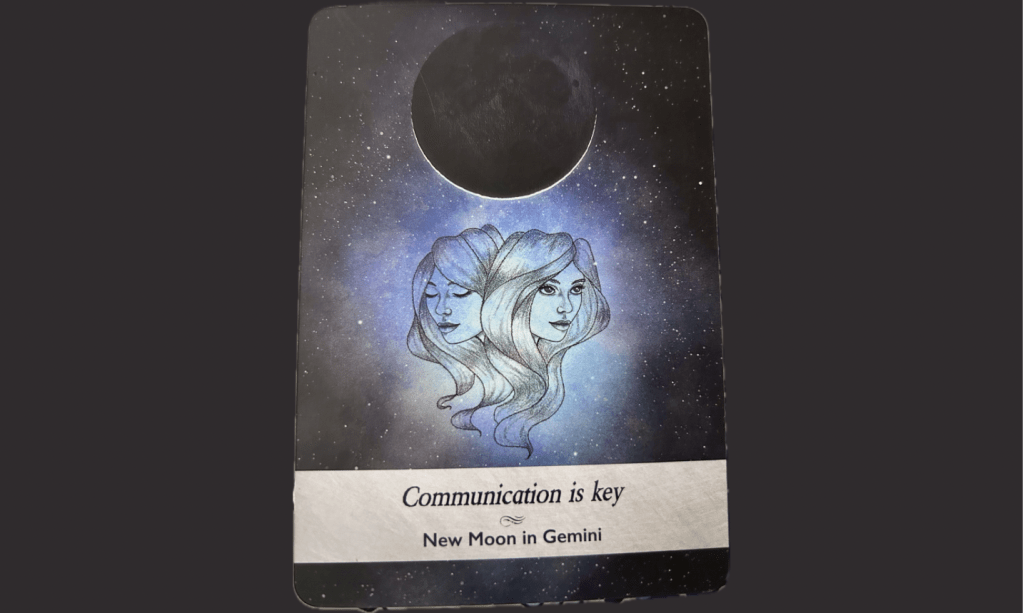
For me, this was all foreplay for the day our love really began. It was the new moon in Gemini, your natal moon placement. I hadn’t had a cherry coke in so long. It came in a little pink can that cost 99 cents. The cola was as red as the artificial dye in my hair. I don’t drink soda, and I wouldn’t have unless you bought it for me. I don’t like the biting sweet of soda. The carbonation sits in my guts wrong. But that day, soda was appropriate; you were the biting sweet I needed to jolt me back to life. You filled my stomach with tiny bubbles that excited me all day. I loved you long before that moment, and I knew I would love you forever. After all we had been through together, we drove to the river and shared a joint, dangling our feet over the edge of the universe. In another life, you and I would nurture this love as long as our hearts were still beating. In another life, we would never let the other be alone.
This was the first entry in the journal you read later that year where I complained about how hard it was living with you. I agreed to live with you before I learned that you grew up with a maid and you never learned to cook or clean for yourself. Maybe if you had read the first entry and you knew how infatuated I was with you for the majority of my life, you wouldn’t have blown up our relationship over one journal entry. I wrote the only thing keeping me in our relationship was our lease, which was partially true. The other thing keeping me was fear—fear of what your absence might reveal about me. Because if you left, was I truly unworthy of love?
The day you bought me the cherry coke, I knew I had it bad. We were about to graduate high school, and everything we had been through seemed so small and childlike compared to this moment. All those years growing up were like movements in a symphony building toward this magnificent crescendo.
The night before graduation, I cheated on my boyfriend with you in the hot tub where you had your first kiss with my best friend in 5th grade. I saw the texts from my boyfriend asking where I was, apologizing if he had done anything lately to make me distant. I swallowed my guilt and stuffed it somewhere in my body I knew I wouldn’t find for years. Because it was you! You were worth burning bridges for. You were worth destroying years of earned trust and built intimacy. Because I always wanted you, but you never wanted me. I was the “cool girl” for too long. I had played the “girl next door” role so well. Hell, your mom loved me before you did. She still calls me on my birthday. But now that you finally saw how beautiful I was, how glorious I was, how radiant and vibrant and purposeful I could make your life. I couldn’t let you slip away now.
You took acid before you gave your graduation speech as class president and rambled about chairs for a long time. My boyfriend sat in the audience with his family and a bouquet of flowers, ignorant of the fact we were kissing in the band room before any of this happened. The ceremony ended, everyone scattered, and I broke up with my boyfriend in the car on the way home. I left him in a grocery store parking lot and blasted Freedom by George Michael as I sped off. He really is the victim in this story, and I hope he finds true love that never treats him the way I did.
We went to our respected graduation parties, and you called me to come over where we kissed on your bed under the red light. You got a text from your best friend, exclaiming he was going to “break some knees.” You diffused the situation and told him we would come over right away to see what was wrong. Apparently, your best friend’s girlfriend, who was also my friend, got drunk with her friends. Really drunk. And one of the friends she was with was the twin sister who you dated and broke up with so much. They were drinking with an older man–and by older I mean ten years, but when you’re 18 years old, it’s highly inappropriate for a 28-year-old man to invite you to his house for drinks. He took advantage of them, or tried to; I’m not sure of the whole story. They were so drunk and blubbering that I could hardly make out a word they said.
But the twin sister, your ex, sat on a park bench at 11 o’clock at night with her arms and legs crossed, glaring at me. I asked if she was okay. She gave a slow, silent nod. She asked if I was with you. I said yes. She scoffed, rolled her eyes, and blinked back tears. Unbeknownst to me, the two of you had hooked up a few weeks ago. You must have been making your rounds saying your goodbyes to all the loves that once were before you bought me the cherry coke. She texted you furiously after that night claiming to be pregnant and that it was yours and she was getting an abortion; she just wanted you to feel guilty about it. And you did feel guilty. You felt horrible. She tapped into your absolute worst nightmare, preyed on the Achilles heel of your fear. I told you she was probably lying, and you said she was probably lying, but even the fact there was the slightest chance she wasn’t lying turned your stomach into knots. She came clean years later and admitted she was lying, which felt like a weight off your shoulders. But I just couldn’t imagine how in the world I was so jealous of someone who was so insecure they felt they had to come up with a heinous lie like that just to put a wedge in the relationship she couldn’t have.
We spent the summer together adventuring through new cities along the riverside. We soaked up as many moments as we could being in love. And in love we were. I must admit, I look for that love in your eyes in every person I meet.
We moved in together in a small ground floor apartment next door to your best friend and your best friend’s girlfriend, who was also my friend. We kissed, we cleaned, we smoked weed. We danced, we fought, we made up. We fought more, you moved out, the pandemic happened. We didn’t know anyone else in the city, we were lonely, we got back together. You moved to the neighboring city, we texted every day, called often, and saw each other every weekend. We spent time with each other’s families over the holidays. We established a routine that kept us in limbo between the comforts of childhood and the daunting expectations of adulthood.
When did our love story end? Was it when I made twice the effort to drive an hour to see you on the weekends because you had car trouble, you couldn’t afford gas, you had too much homework, or whatever excuse it was that particular week? Was it when you told me not to worry about your roommate that had a crush on you, but she was the first person you slept with after you broke up with me over the phone? That’s when I knew it was over. I was crushed. No amount of negotiation or apologies or kisses filled with empty promises could take that back. I spent weeks sobbing in my closet listening to sad music in my headphones. I don’t know how long I would have stayed with you if you hadn’t broken up with me. I would have stayed with you and taught you empathy and patience and humility and basic hygiene and how to cook. I would have been the Oedipus complex you were subconsciously searching for, and likely still are. I would have stayed with you forever, even though you didn’t deserve it.
Was it when I dated your best friend after he broke up with his girlfriend, who was also my friend, in a rage of vengeance? You had always gone after my friends since we were six years old. And the first time you got a taste of your own medicine—phew! You couldn’t take it! I think it obliterated a part of your ego that can never be recovered. You dropped out of college and moved back home because I think you realized that without me, you had no business being here. I think without me, you felt your life had no real direction. You moved back to our hometown and dated my best friend, the one you had your first kiss with in the hot tub. She deserved better, and I hope that’s how it ended. She was starting her own business and had been an independent adult longer than she ever should have been, a journey you were just learning how to navigate.
Was it when I wrote you a heartfelt letter apologizing for everything and asking if we could still be friends, only to have the slit-open envelope returned to me in the mail?
Was it after you broke up with her, I broke up with him, and you texted me on New Year’s Eve 30 minutes to midnight gushing about how sorry you were that I gave you everything you ever wanted but you still wanted more? You said we could meet up for a cup of coffee if I was ever in town, but when I was in town, you had to ask permission from your new girlfriend to see me. You must have not gotten that permission, because you never saw me, and last I heard, you’re still with her. You’re living with her apparently.
I have this vision of me and all my friends you ever dated getting together at the restaurant where you and your girlfriend work. We would make friends with your girlfriend, because obviously if you’re dating her, we have a lot in common. We would compare notes, swap stories, and give her an outlet to express how she’s happy with you but her heart knows something is off. Women have this innate intuition in our bones, even if we choose to ignore it. I hope you’re truly happy. Because you deserve true happiness. But my intuition says you’re not.
I used to think you were the one that got away. That in another life, you and I were meant to be. That if I was only more of this or only more of that, then someday you would look at me and realize I was the perfect girl. But I was the perfect girl. I still am! Always have been, always will be. And I get better every day. Now that I know that, no one can take that away from me. And I’m starting to think that I’m the one that got away. You know I am, even if you can’t admit it to yourself yet. Your mom definitely knows it. That’s why she calls me on my birthday.
Once upon a time, just last week, there was a princess who grew up under the cruel and critical eye of a bitter queen. Her husband, the king, was often on leave from the castle leading a battle, hunting for game, or wherever men go without their wives. On the rare occasions he returned home, the queen fought for a seat at his table, desperate for him to pay her any attention, good or bad. He sparsely looked at the queen, for he feared her and the wolf that never left her side. The days the king came home were the princess’s favorite; those were the only times the queen paid no mind to her. As soon as the king left, the queen channeled all of her energy into taunting the princess.
When the princess was six-years-old, she snuck into the kitchen to slide fingerfuls of butter between her lips. The queen caught her in the act one day and gasped, “If you keep eating butter like that, you’ll get fat and never find a husband.” The princess cared little for husbands and dreamt of the day she may experience the luxury of bodily abundance. So, she made sure to only eat butter when the queen was not looking.
When the princess was twelve-years-old, the queen ordered extravagant dresses made of zebra and leopard hide. She presented a trunk of animal fur from the king to the princess as a gift. The clothes were no doubt expensive and rare, but the princess felt a deep sorrow in her heart and guilt in her stomach when she wrapped herself in the skin of another creature. When the queen noticed the trunk still locked and collecting dust, she scolded the princess for her disgrace and demanded she wear the zebra hide for the painting of their family portrait. The princess did as she was told and shed silent tears as she sat for her painting.
When the princess was eighteen-years-old, she awoke to a cacophony of shrieking and barking. She wrapped a blanket over her shoulders and rushed down the stone steps of the castle. The snow on the ground was splashed with red. The queen clutched her wolf by the scruff, panting heavy, blood dripping from its chin. The princess dared not look further, for she already knew what had happened when the queen protested excuses and defenses for her wolf. The small black body of the cat the princess had known since birth lay lifeless upon the frozen ground. The queen blamed the cat for provoking her wolf, saying it never should have been outside in the first place, that it was an old cat who was bound to die any day. All these words fell deaf on the princess’s ears as she wrapped her cat in the blanket and laid the body in a basket. She took a horse from the stable and rode over the mountains, through the changing season, to the lake where all was still.
In her grief, the princess spoke not a word for months. She said nothing to the queen before leaving, for she feared her rage was enough to slit the queen’s throat. When the soil thawed in spring, the princess buried her cat beneath a raspberry bush to protect its spirit in the afterlife. When the body finally returned to the earth, the princess wept and wept for days. She feared her tears would never stop even when she was ready for them to. When the days grew warmer, she floated on the reflection of the mountains every day until she could not tell the difference between the water from her eyes and the lake.
One day, the sun piqued higher in the sky than it would all year, and the princess knew that every day after would grow colder. The lake would be an unforgiving place to live in the winter, but she could not imagine a future where she returned to the castle without forgiving the queen. The princess had no reason to trust the queen was capable of change, for she had only experienced the harsh temperament and cruel nature that would scar her heart for life. She knew the queen, like her wolf, was wounded herself. Both creatures had endured hardship and abandonment, neglect and abuse. Why, then, would someone who knew the cruelties of the world behave so cruelly to others? Afterall, the princess had experienced such torment and couldn’t dream of harming another soul. Meditating on forgiveness, she wrote this poem:
So, the princess rode through the changing season, over the mountains, and returned to the castle. Her heart pounded at the sight of it. All her rage, grief, sorrow, and righteousness bubbled to the surface, threatening to spring out of her eyes through tears. She vented her emotions with a deep inhale and exhale, as if blowing steam off a boiling pot. She rehearsed just what she would say to the queen when she saw her, muttering to herself how she would demand reparations and compassionate treatment from now on. But as the princess made her way through the castle, it was empty. Even the wolf was nowhere in sight.
A gentle weeping echoing through the halls broke the silence. The princess followed it to the kitchen where she found a child sitting on a wooden stool at an easel with a blank white canvas. The child wept into her hands, and when the princess pulled back her curtain of hair, she recognized it was the queen. Overcome with sympathy, the princess knelt down and stroked the child’s back. “Sweet child, what is troubling you so?” The little queen replied, “I cannot create anything beautiful. My mother told me so, and I am cursed for life.”
The princess hugged the little queen and wiped her tears away. She took the queen’s hand in her own and grasped a paintbrush between both their fingers. They made long strokes of brown and green. The little queen dipped her fingers in the purple paint and weaved them to and fro across the canvas. The princess did the same with yellow and red and smeared them together to make a vibrant orange.
Perhaps the princess could never fully forgive the queen for the atrocities she committed. But she could forgive this child and appreciate her for just who she is. And that, for now, was enough.
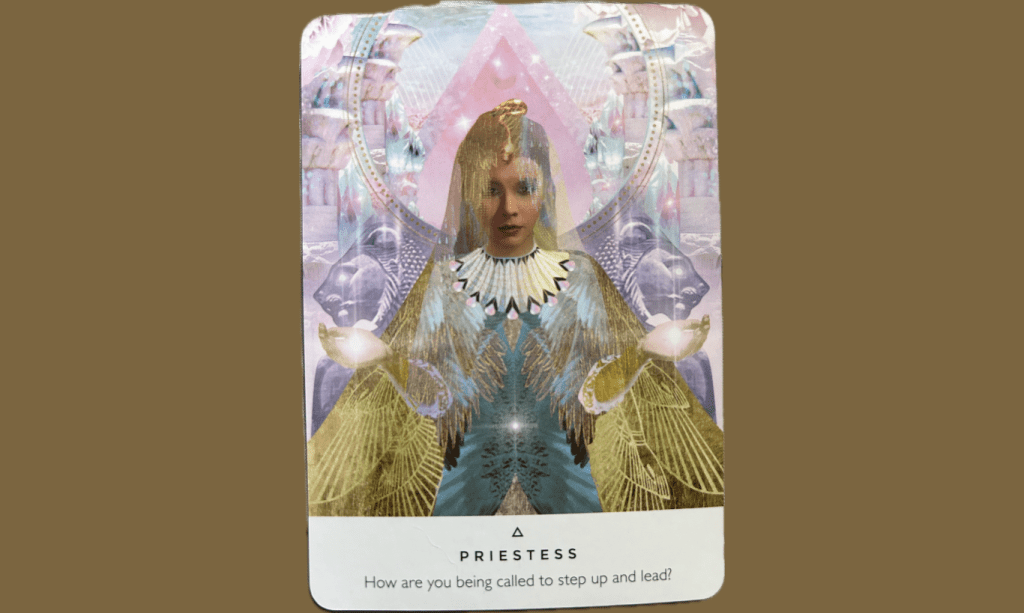
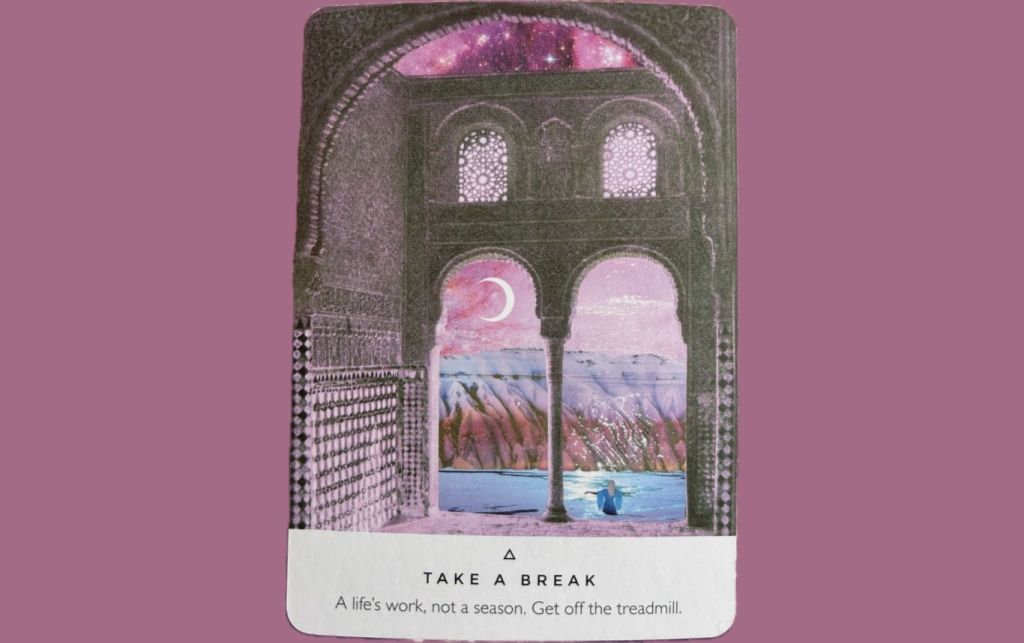




 The Writer's Oracle