I used to be the person who bottled everything up. I took all my guilt, all my anger, all my shame, and stuffed it way down into the pit of my stomach where it sat like a pile of kerosene-soaked towels. Like a room filling up with carbon dioxide: invisible until you light a match.
When that moment came that I couldn’t take it anymore, it seeped out of every pore of my skin, unstoppable and toxic. When they asked, “What’s wrong, where is this coming from, how can we help?” I had no idea what to say. I couldn’t remember where all these feelings came from. Because if they were treated as unimportant in the moment, then I might as well forget about them forever. But the body doesn’t forget. The trauma was etched in my neural pathways like ancient hieroglyphs that I’m now left to decipher on my own.
Eventually, I decided not to be that person who bottles things up anymore. I decided to let it all out as soon as I felt it, practice speaking my mind. It was—and still is—one of the scariest, most uncomfortable things I do. Old habits die hard, as they say. Even when I thought I was speaking my mind, there was an abyssal crevice in my body hidden even from myself where my most shameful feelings festered. I lied to myself about how I felt, because if you lie to yourself, you can convince anyone of anything. And if I don’t feel these ugly feelings, I can make myself more palatable for everyone else. And if I make myself more palatable for everyone else, then they will love me, right? And if they love me, they will never leave me… right?

It is true that we love others the way we want to be loved. We know exactly how we want to be treated, so we show others how to treat us by giving them the love we so desperately crave. But what if that’s not how they want to be loved? What if that’s not how they want to love you?
“Do not expect to receive the love from someone else you do not give yourself.” – bell hooks, All About Love: New Visions
I don’t believe that we need to be fully healed in order to be loved. Healing is a journey, not a destination. It is a never-ending process, and just when you think you have it all together, something comes along and knocks you off course. Suddenly, you’re right back where you started decades ago: alone and scared in your childhood bedroom, crying into your pillow, waiting for morning to come so you can forget all about it.
But if there’s one thing I’ve learned, it’s that suppressing your truth doesn’t make the darkness disappear. It’s as useless as trying to hold back the tide with your bare hands—it slips through your fingers, leaving you exhausted and still sopping wet. Maybe on the surface, everything looks calm. Maybe you’ve convinced everyone, even yourself, that you’re keeping it together. But beneath that manufactured peace, there’s an undertow pulling you deeper, wearing you down until you can barely recognize your own reflection in those troubled waters.
Pain and suffering are inevitable. This should not come as a surprise. It is one of the core Buddhist teachings I learned that offered me peace at a time when I had none. Rarely is pain and suffering desirable, but it is one of the great uncontrollable factors that comes with the human condition. Rather than running from it, I’m practicing confronting it. I’m not saying we should fight back at everyone who hurts us or seek vengeance on our wrongdoers; that doesn’t solve anything either. Instead, I’m fighting every instinct in my being to stand my ground, look pain in the eye, and speak my truth.
There’s profound power in learning to say no—even when your voice shakes, even when it means disappointing someone you love, even when it feels like your whole world might crack open from the weight of a two-letter word. Because sometimes that crack is exactly what we need: a fissure in our air-tight walls that lets the light in.
By bottling up the emotions that you’d rather not feel, you’re not only hurting yourself by internalizing the pains—you’re hurting others by denying them the sacred opportunity to know the truest you. For what makes you more than a puddle on the floor if not for the boundaries that contain you? If there’s anything we should teach our (inner) children, it’s that everyone is responsible for their own feelings. Including you. Including me.
Pain will always find its way to the surface. Like shells tumbling in the tides at the bottom of the sea. Despite our best efforts to contain it, redirect it, or pretend it isn’t there, eventually, it will make itself known. Real courage isn’t in maintaining perfect composure or in releasing explosive emotions, but in allowing each experience to ebb and flow. And maybe the greatest gift we can give ourselves is permission to feel it all—the hurt and the healing—knowing that each wave wears down our carefully constructed facade, exposing our truest selves.
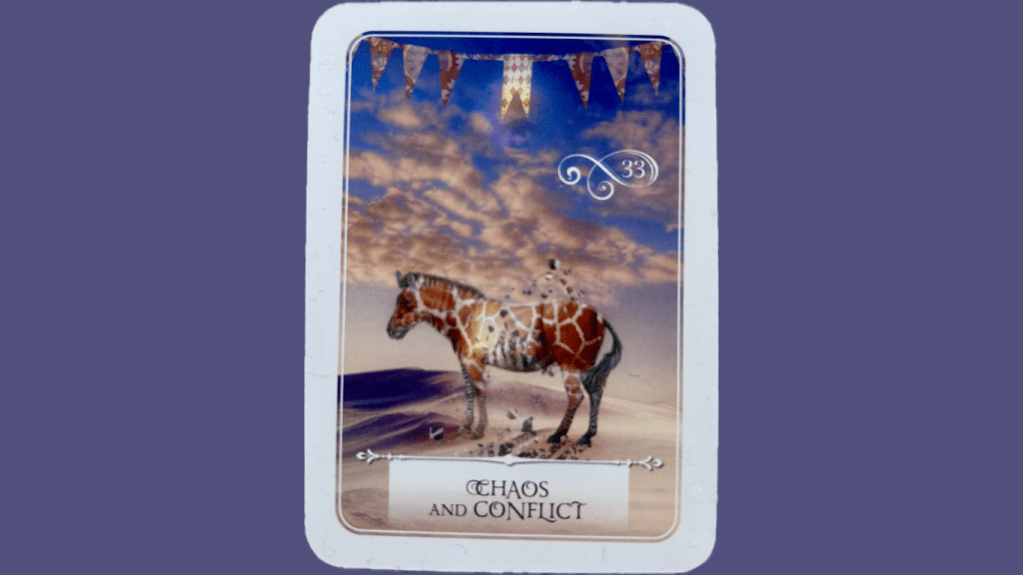
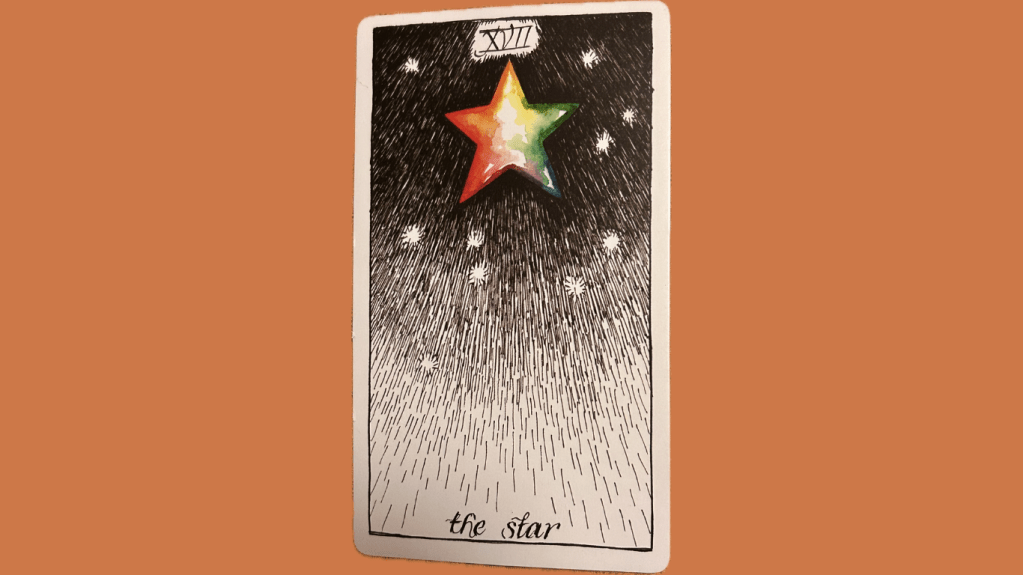
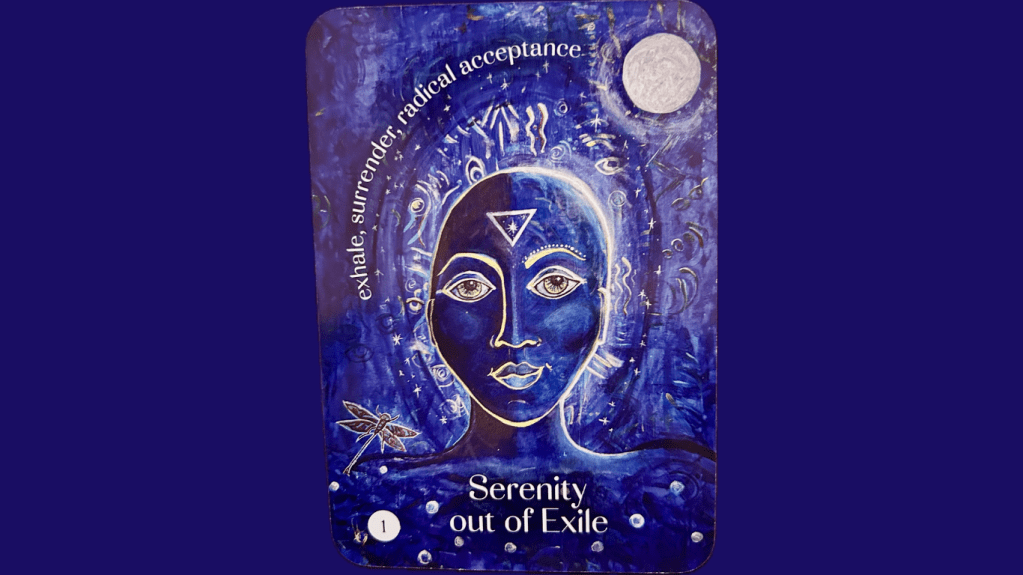
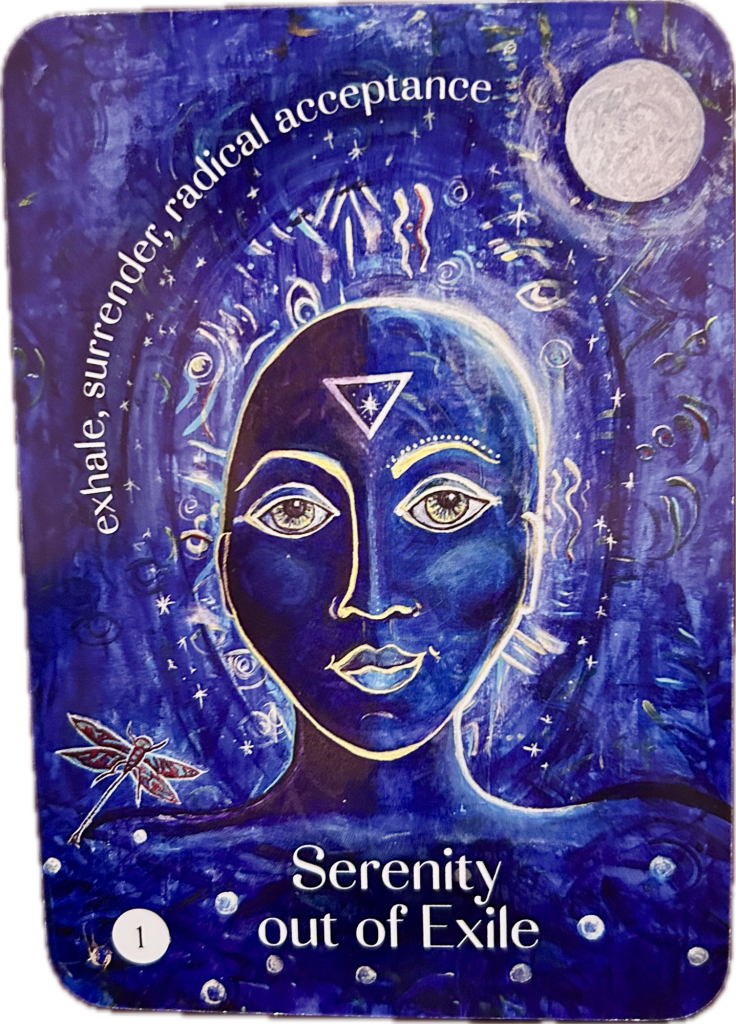
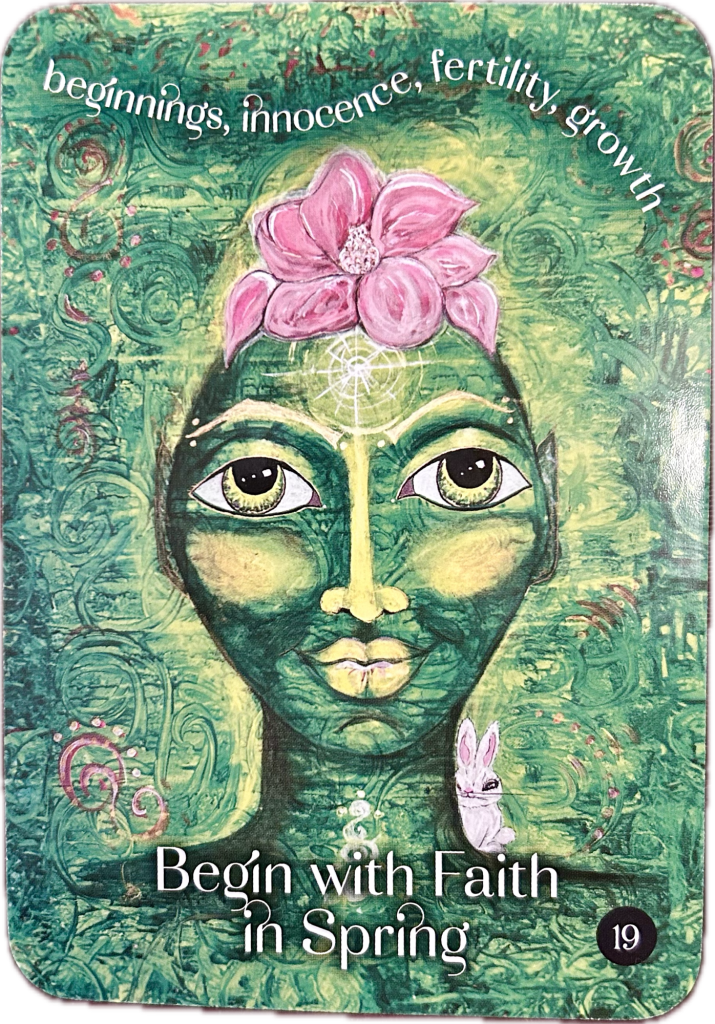
From The Wisdom of the Oracle











 The Writer's Oracle